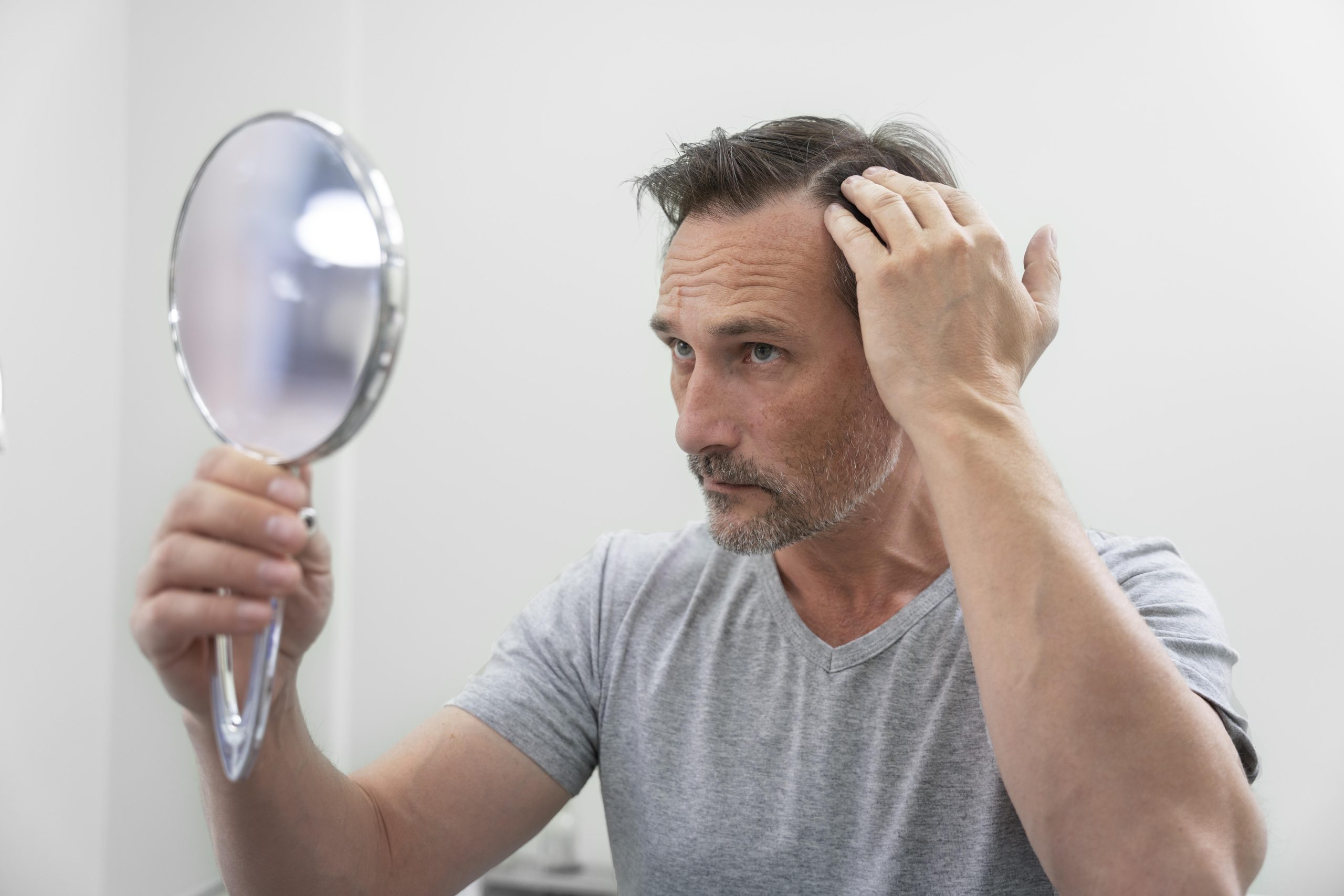
I am going to speak freely and factually with you regarding something that is troubling millions of individuals worldwide – hair transplantation and baldness. You see, I’ve dealt with the human psyche for a long time now, and advised people who make life-changing decisions, and let me let you in on a little secret: there’s not much that influences a person’s sense of self as much as when he or she loses his or her hair. If you’re researching hair transplant pain and recovery, you’ll also want to understand the potential downsides. Understanding hair loss causes is essential before considering surgical solutions.
Hair transplants are a life-changer, but not the miracle cure that some physicians hype. So here’s the honest truth, straight from science and hard-earned experience.
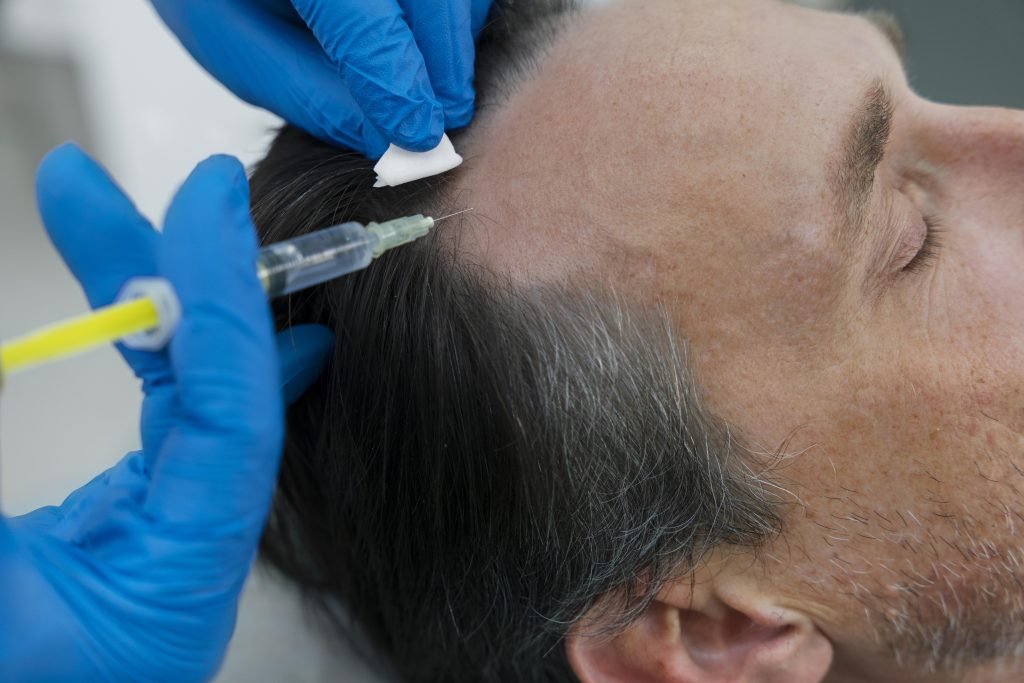
Medical Risks and Complications of Hair Transplants
Infection Risks: What the Statistics Actually Show
The reality is – any surgical procedure carries a risk, and hair transplantation is no exception. Research shows that surgical site infection risks occur in about 1-3% infection rate of cases. Not so bad, you might think. But when it’s your scalp that’s on the line, any infection rate is a problem.
The Mind-Body Connection
Something that no one talks about almost enough: the emotional impact of hair loss is so much greater than you can even start to imagine. Studies have consistently shown that hair loss can trigger depression and anxiety, and social withdrawal. Research on the psychological effects of hair loss validates these emotional challenges.
But here’s the catch – and I’ve seen this firsthand – getting a hair transplant doesn’t automatically fix these emotional challenges. Sometimes, the waiting period for results and the anxiety about the outcome can actually intensify these feelings. It’s crucial to approach this journey with realistic expectations and a strong support system.
Physical Side Effects During Recovery
Shock Loss, Swelling, and Scabbing: What to Expect
This is what you can anticipate after surgery. Your body goes through what I call the “transition phase.” Keep in mind:
- Swelling that can extend onto your forehead and around your eyes
- A phenomenon known as “shock loss” whereby some of your existing hair actually does fall out temporarily
- Itching and scabbing which you will need to try not to touch (and believe me, that is easier said than done)
These are some side effects covered in detail by the hair transplant complications and side effects guide from the American Academy of Dermatology. Medical research on the shock loss phenomenon explains this temporary hair shedding process. Knowing about them in advance will get you physically and mentally ready.
The Recovery Timeline: 12-18 Months to Final Results
It is the same as building a house – the transplant is just the foundation. The real work comes in maintaining it over time. Most patients respond early on in 3-4 months, but the final outcome typically takes 12-18 months to establish.
Long-Term Considerations and Ongoing Needs
Ongoing Hair Loss and Follow-Up Procedures
Something that people always tend to forget: a hair transplant is not a single event. Your natural hair loss may continue in non-transplanted areas. This can lead to you needing follow-up surgeries. Understanding how long hair transplants actually last is critical for planning. The American Society of Plastic Surgeons discusses ongoing hair loss after transplant in detail.
Research and Future Considerations
It’s comforting to understand that hair transplantation is a specialty that continues to expand. They’re discovering new procedures and whatnot daily. That, naturally, implies that we’re also finding out about side effects and long-term issues on a daily basis.
Making an Informed Hair Transplant Decision
The Power of Choice
Hear me out, mate – it’s your call about a hair transplant. The thing is, the more you know the ups and downs, the more you’re in control. You’re not deciding on a hair choice – you’re deciding on confidence, self-esteem, and your life. Before committing to surgery, explore alternative hair loss treatments to see if less invasive options work for you. Many men find success with natural ways to combat hair loss.
Keep in mind that no matter what choice you make, turn it into a space of learning about yourself and true expectations. Happiness is not in the process itself, but in your preparation, your attitude, and your embracing what is coming. Research on realistic expectations for hair transplant results can help guide your decision.
Choose from a space of knowing, and not fear and force. That is how you turn any problem into an experience of higher learning.