Listen, something amazing occurs when change is realized. I’ve been in the life-changing business for decades, and one of the most amazing things a person can do is regain their confidence through hair restoration. We’re here today to discuss the universe of hair transplants, and I’m going to give it to you honestly about what you need to know about how long they will survive and how successful they will be.
Hair loss can shake your confidence to its foundations. I have witnessed it many times. Hair transplant science has progressed a long, long way since the 1950s. The procedures have developed beautifully, and now we are going to learn about everything involved with this life-altering surgery.
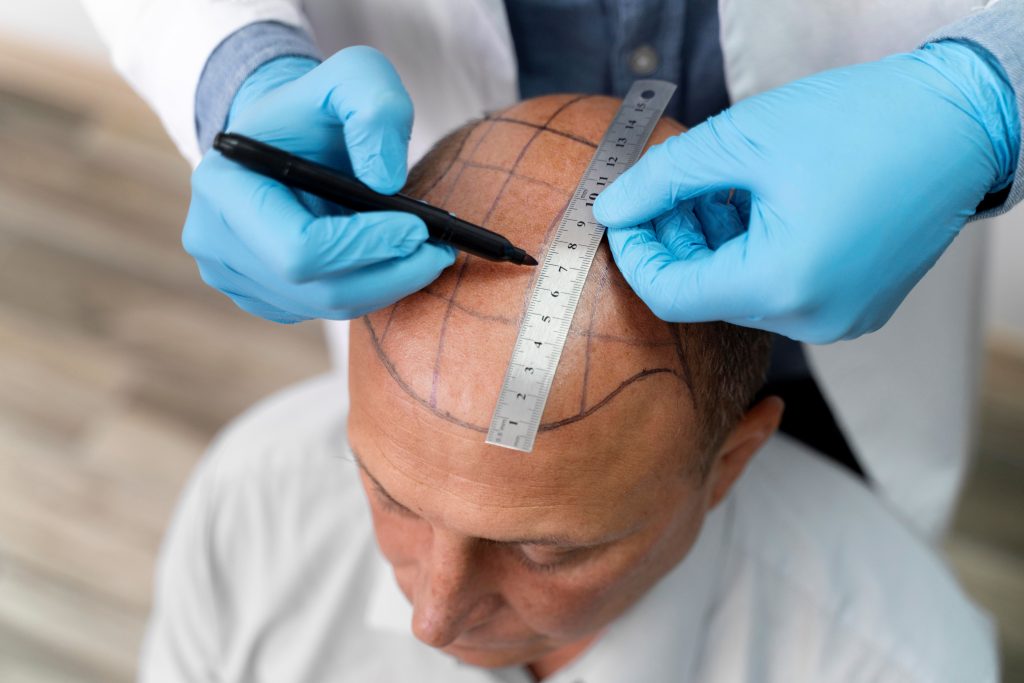
Understanding Hair Transplant Surgery
FUE vs FUT: Two Main Transplant Methods
The FUE and FUT transplant methods are transforming the process. FUT (Follicular Unit Transplantation) and FUE (Follicular Unit Extraction) are two paths to the same goal; both with advantages.
FUT is really harvesting a garden all at once. The doctor removes a strip of scalp tissue and then very carefully, under magnification, dissects it into single follicular units. It’s really clean. And, by the way, that scar – it usually stays beneath your current hair, especially if you keep your hair at least a quarter-inch or more.
FUE is like plucking an individual flower from a garden. The doctor extracts individual follicles one by one using a specialized micro-punch tool. It’s less invasive, less scarring, and you can sport that short ‘do if you want. Learn more about how painful are hair transplants to set realistic expectations.
How Long Do Hair Transplants Last?
Permanent Results: What Research Shows
Research shows that over 90% of patients have acceptable results five years post-transplant. If performed properly, these hairs are yours for life!
What they do is: Those transplanted follicles are DHT-resistant, meaning they’re genetically altered to be impervious to the hormones that made your hair fall out originally. They’re special forces soldiers – trained to live behind enemy lines. The Cleveland Clinic assures that transplanted hair grows permanently for decades—these are permanent results when properly performed.
Most important to remember: your newly transplanted hair is in for the duration, but the rest of the hair is on its regular schedule. What this translates to is you will have to maintain and care for those non-transplant areas. It is not as different as it sounds – you don’t just make it and leave it alone; you take care of it so that it will continue to look good.
Hair Transplant Recovery Timeline
Month-by-Month: What to Expect
This is what you’re going through. Your initial few months following your transplant are the significant ones. You might be going through what’s called “shock loss” – where you lose a bit of your transplanted hairs. Don’t worry! All this is completely normal and just part of the process.
Your hair follicles are experiencing their own revolution. They are adapting to the new environment, and as in all revolutions, there is a period of upheaval before the new regime settles in. You will start to see new growth at month 3-4. You will see lots of improvement at month 6-8, and at 12-18 months, you will be able to see the end result in all its glory.
Maximizing Hair Transplant Results
Lifestyle Factors That Affect Success
Most significant piece of information no one recalls; your lifestyle is what maintains your results. It is scientifically established that stress management, good nutrition, and not smoking have a huge effect on the health of your hair. Understanding how sleep, exercise, and hair health connect can maximize your results.
This is your success plan:
- Eat a healthy diet rich in proteins and vitamins. Learn about essential nutrients for hair health.
- Control your stress level by doing exercise and meditation regularly.
- Drink plenty of water – your hair will also require water, as will the rest of your body.
- Obey Your Post-Surgical Instructions to Your Surgeon.
Hair Transplant Risks and Alternatives
Common Side Effects and Complications
Risk Facts: As with any operation, there are risks and complications of hair transplants. Good news? Most risks can be reduced and eliminated by a competent surgeon and rigorous adherence to procedure. For a complete overview, read about the downsides of hair transplants.
Most popular trending side effects are:
- Temporary pain and swelling
- Mild redness and itching
- Loss of initial shock (don’t forget – temporary!)
More serious complications are uncommon but could be infection or nerve damage. That’s why it’s so important to choose a skilled surgeon. Experience has shown that how good the surgeon is can definitely affect the outcome.
Non-Surgical Hair Restoration Options
If you are asking yourself if a hair transplant is in your future, these alternatives are well worth exploring. There are several non-surgical options, some of which include exploring the new generation of hair loss treatments:
Advanced hair systems: The latest and greatest solutions that look amazingly natural
PRP (Platelet-Rich Plasma) therapy: Tap into your own healing potential
Low-Level Laser Therapy (LLLT): Harness the light to grow
For those in early stages, consider receding hairline treatment options before committing to surgery.
Making Your Hair Transplant Decision
Taking the Next Step
Finally – hair transplants are permanent, but it does take commitment, good care, and realistic expectations. Technology has never been better, the procedures have never been more sophisticated, and the result has never appeared more natural.
Your hair is you, yet you are not created by it. If you do happen to go for hair transplant surgery or consider other alternatives, then do so from a place of inner strength, not vulnerability.
Take control of your change today. Speak with an experienced surgeon, ask questions, and make an informed decision for your future. The power to change your look and enhance your self-esteem is in your hands.
The process of self-transformation is generally triggered by one decision. Make it a good one.