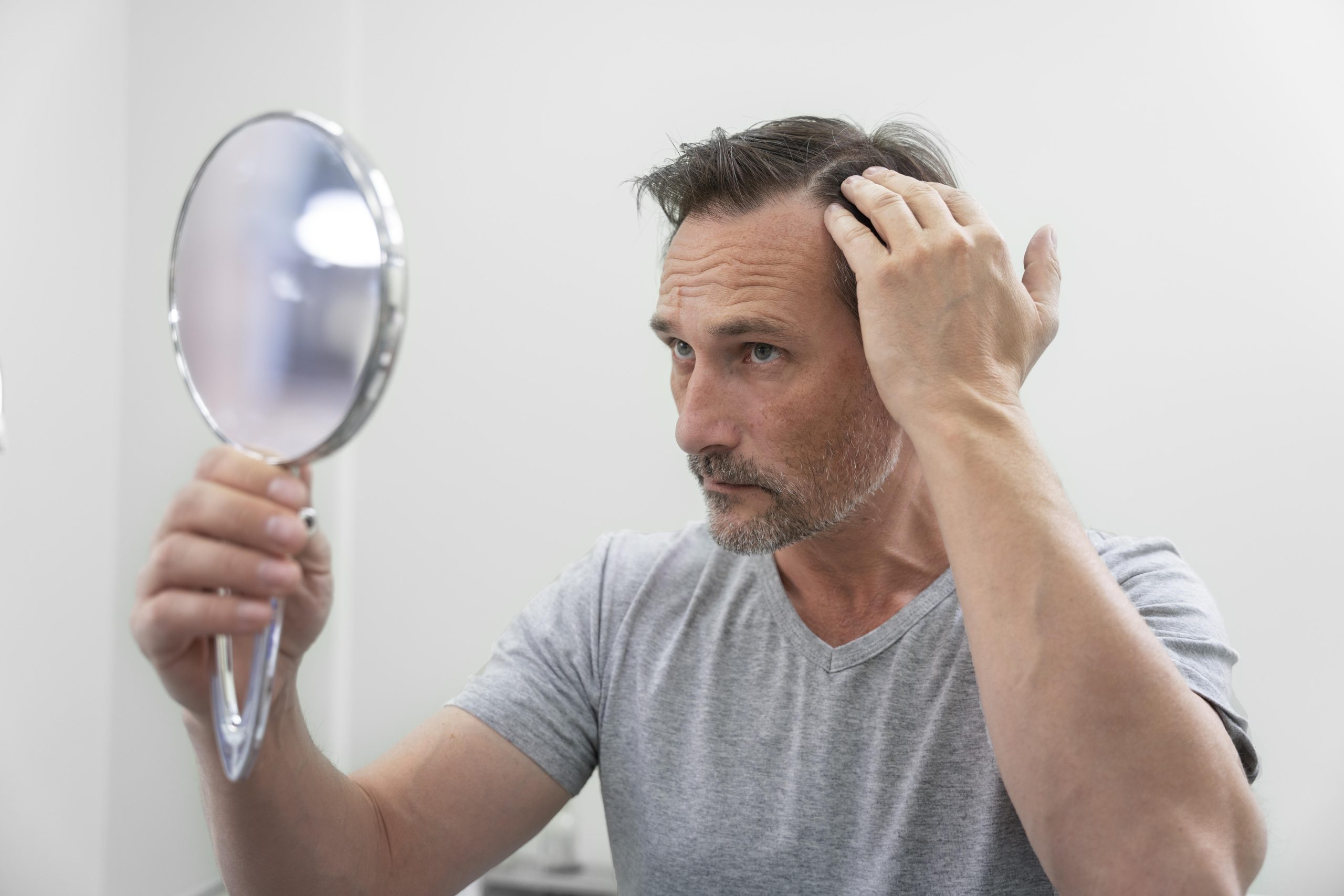
Hey there! Have you ever caught yourself doing a double-take in the mirror, noticing your receding hairline isn’t quite where it used to be? That moment of realization can be jarring, but I’m here to tell you — you’re not alone in this journey, and more importantly, you’re not powerless.
I’ve spent decades studying human potential, and if there’s one thing I know for certain, it’s that when we take ownership of our challenges, we transform them into opportunities for growth. Your receding hairline isn’t just a cosmetic concern — it’s an invitation to better understand your body and take control of your health in powerful new ways.
First, determine if your hair loss exceeds how much hair loss is normal. If you’re experiencing early hair loss at 25, early action is critical.
Understanding Why Your Hairline Recedes
Your hair tells a story — about your genetics, your lifestyle choices, and even how you respond to stress. When we decode this story, we unlock the pathway to transformation.
The Role of Genetics and DHT
Your DNA contains blueprints passed down through generations. If you’ve noticed your hairline resembles your father’s or grandfather’s, you’re experiencing androgenetic alopecia — the most common form of hereditary hair loss affecting both men and women. This genetic predisposition makes your hair follicles particularly sensitive to DHT and hair follicle sensitivity, a hormone derived from testosterone that can shrink follicles and shorten your hair growth cycle.
Understanding how DHT and hair follicles interact is crucial. DHT (dihydrotestosterone) binds to receptors on genetically susceptible follicles, progressively miniaturizing them until they can no longer produce visible hair. If your hairline resembles your father’s, you’re experiencing male pattern baldness.
Lifestyle Factors That Accelerate Hair Loss
But genetics is just one chapter in your hair’s story. As your body’s chemistry changes through life — during puberty, after pregnancy, or approaching middle age — hormonal changes and hair loss become interconnected. This is why many men notice thinning in their 30s and 40s, while women often experience changes during menopause.
Your daily choices write another crucial chapter. Chronic stress triggers cortisol levels to rise, which can cortisol effects on hair growth by disrupting your hair’s natural growth cycle. The relationship between stress and scalp health is profound. Poor nutrition deprives your follicles of essential building blocks. Environmental toxins, harsh styling products, and even that tight ponytail or man bun can accelerate thinning.
Keep in mind: By identifying which factors are most relevant to your unique situation, you gain the power to make targeted changes that produce real results.
10 Natural Methods to Stop Receding Hairline
I’ve traveled the world studying healing traditions from diverse cultures, and I’ve discovered something remarkable — long before modern pharmaceuticals, our ancestors developed sophisticated approaches to maintaining healthy hair. These natural remedies work by addressing root causes rather than just masking symptoms.
1. Daily Scalp Massage Technique
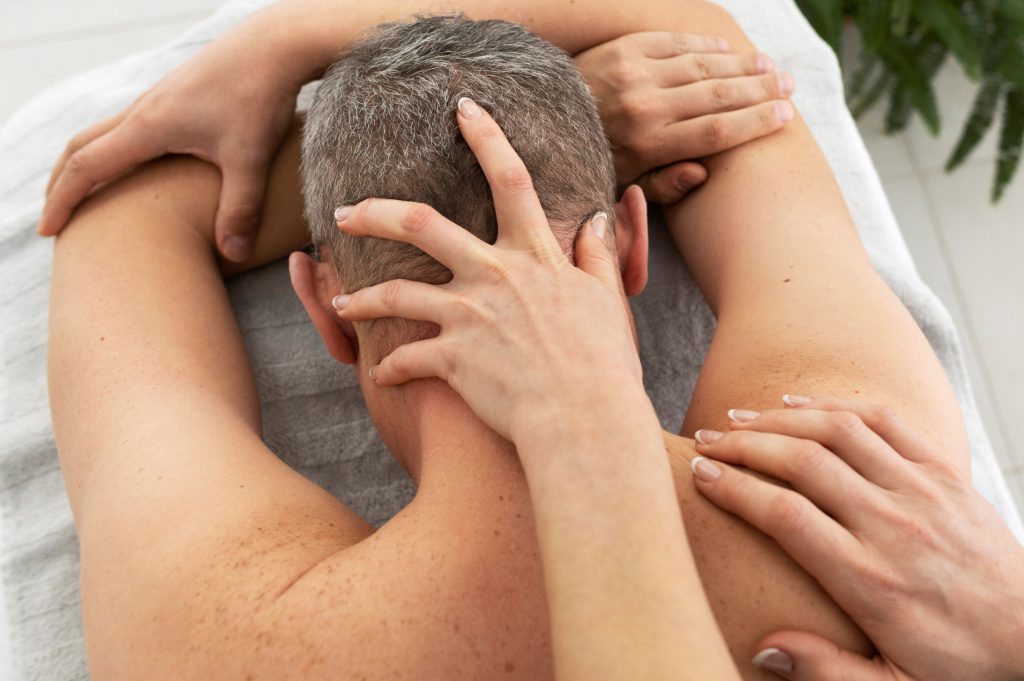
Scalp massage deserves special mention as both a treatment and a practice. Scalp massage increases hair thickness — as few as 4 minutes daily of scalp massage have been shown to thicken hair through stretching hair follicle cells and activating growth gene expression. This easy, low-cost practice also improves blood circulation to the scalp, delivering nutrients to your hair follicles.
Use your fingertips (not nails) to apply gentle pressure in circular motions across your entire scalp. Start at the temples, move to the crown, then work down to the base of your skull. The key is consistency — make this part of your daily routine, perhaps while watching TV or before bed.
2. DHT-Blocking Nutrition Strategy
The nutrition and hair loss connection is well-established in research. Certain foods contain compounds that naturally inhibit DHT production. Pumpkin seed oil has shown particular promise in studies, with men taking 400mg daily experiencing significant hair count increases.
Green tea contains EGCG, a catechin that inhibits the enzyme that converts testosterone to DHT. Saw palmetto, a natural supplement derived from a small palm tree, has demonstrated DHT-blocking properties comparable to some prescription medications, though with fewer side effects.
Learn about specific nutrition for hair growth including biotin, zinc, and omega-3s. Focus on whole foods rich in these compounds: tomatoes (lycopene), carrots (beta-carotene), and white mushrooms (zinc) all support healthy hair.
3. Essential Vitamins and Supplements
Biotin (vitamin B7) is perhaps the most famous hair vitamin, and for good reason. While true biotin deficiency is rare, supplementation at 2.5-5mg daily has shown benefits for hair strength and growth rate. However, biotin works best as part of a comprehensive vitamin strategy.
Vitamin D plays a crucial role in hair follicle cycling. Many people with hair loss show vitamin D deficiency. Consider having your levels tested and supplementing accordingly — most experts recommend 2,000-5,000 IU daily for adults with deficiency.
Omega-3 fatty acids from fish oil reduce inflammation around hair follicles and provide the essential fatty acids your scalp needs. Zinc supports protein synthesis and cell division — both critical for hair growth. Iron carries oxygen to your follicles; without adequate iron, even the best nutrition plan will fail.
4. Stress Management for Hair Growth
Stress management is likely the most neglected hair care routine. Chronic stress maintains cortisol levels elevated, wreaking havoc on the hair growth cycle and leading to excessive shedding. Cortisol literally tells your body that survival takes priority over hair growth.
Meditation, even just 10 minutes daily, has been shown to reduce cortisol by up to 25%. Exercise releases endorphins that counteract stress hormones while simultaneously improving scalp circulation. Deep breathing exercises activate your parasympathetic nervous system, signaling your body to enter rest-and-repair mode.
Find what works for you — yoga, journaling, time in nature, or creative pursuits. The method matters less than the consistency. Your hair follicles respond to sustained stress reduction, not occasional efforts.
5. Scalp Health Optimization
Scalp health is the foundation everything else builds upon. A healthy scalp creates the optimal environment for hair growth. Think of your scalp like soil — you can plant the best seeds (genetics) and water them properly (nutrition), but if the soil is toxic or depleted, nothing will grow.
Use a gentle, sulfate-free shampoo that won’t strip your natural oils. Wash every 2-3 days to remove buildup without over-drying. Exfoliate gently once weekly to remove dead skin cells that can clog follicles — you can use a scalp scrub or simply massage with your fingertips during shampooing.
Keep your scalp properly hydrated through adequate water intake and products containing ceramides and hyaluronic acid. A dry, flaky scalp cannot support optimal hair growth.
6. Natural Topical Treatments
Rosemary oil has been shown in clinical studies to be as effective as some prescription treatments for promoting hair growth, likely by increasing blood flow to the scalp. Mix 5-10 drops with a carrier oil like jojoba or coconut oil and massage into your scalp before bed, then wash out in the morning.
Peppermint oil stimulates follicles and has demonstrated the ability to increase hair count and thickness in studies. Lavender and tea tree oils support scalp health by reducing inflammation and fighting potential scalp issues. Natural hair growth oils like rosemary and peppermint show promise.
Caffeine isn’t just for your morning coffee — topically applied, caffeine can penetrate the scalp and stimulate hair follicles. Studies show it can extend the hair growth phase and counteract the effects of DHT.
7. Sleep and Recovery Protocols
Sleep quality directly impacts hair growth, as this is when your body does much of its repair and regeneration work. During deep sleep phases, growth hormone is released, which is essential for cellular reproduction, including in hair follicles.
Aim for 7-9 hours of quality sleep nightly. Maintain a consistent sleep schedule — your body’s circadian rhythm affects hormone production, including hormones related to hair growth. Create a dark, cool sleeping environment and limit blue light exposure before bed.
Sleep on a silk or satin pillowcase to reduce friction that can damage hair and irritate your scalp. This simple change can significantly reduce hair breakage while you sleep.
8. Exercise for Scalp Circulation
Regular exercise increases blood circulation throughout your body, including to your scalp. This enhanced blood flow delivers oxygen and nutrients to hair follicles while removing waste products that can impede growth.
You don’t need intense workouts — a 20-minute brisk walk daily provides substantial benefits. Exercise also helps regulate stress hormones and improves sleep quality, creating a positive cascade effect for hair health.
Inverted poses in yoga (like downward dog or headstands) temporarily increase blood flow to the scalp. Even 5 minutes daily of gentle inversion can make a difference. However, consistency matters more than intensity — find activities you enjoy and will maintain long-term.
9. Protective Hair Care Practices
How you treat your existing hair matters enormously. Avoid tight hairstyles that create tension on follicles — man buns, tight ponytails, and braids can cause traction alopecia, a form of hair loss caused by constant pulling.
Minimize heat styling and chemical treatments. When you must use heat, always apply a protectant spray first and use the lowest effective temperature. Harsh chemicals in dyes and relaxers can damage both hair and scalp.
Be gentle when shampooing — your hair is most vulnerable when wet. Pat dry with a microfiber towel rather than rubbing vigorously with a regular towel. Avoid brushing wet hair; if you must detangle, use a wide-tooth comb and start from the ends, working upward.
10. Hydration and Detoxification
Your hair shaft contains approximately 25% water. Adequate hydration is essential for maintaining elasticity and preventing brittleness. Drink at least 8 glasses of water daily, more if you exercise or live in dry climates.
Support your body’s natural detoxification processes by limiting alcohol consumption and avoiding smoking — both have been strongly linked to accelerated hair loss. Reduce exposure to environmental toxins where possible.
Eat protein-rich foods to support detoxification pathways and provide the building blocks for new hair growth. Your hair is made primarily of keratin, a protein that requires adequate dietary protein for production.
When Natural Methods Aren’t Enough
Hair loss treatment follows a fundamental principle: prevention is easier than restoration. Once follicles have completely miniaturized, reviving them becomes significantly more challenging. This is why the most successful outcomes occur when treatment begins at the first signs of recession.
Professional Treatment Options
When selecting a professional, choose wisely. Dermatologists specializing in hair disorders (trichologists) offer the most comprehensive assessment of underlying causes. During your consultation, expect a thorough examination of your scalp, detailed medical history review, and possibly blood tests to identify hormonal imbalances or nutritional deficiencies.
Evidence-based androgenetic alopecia treatments include both natural and medical options. Some FDA-approved medications stimulate blood flow and extend the growth phase of hair follicles. Some oral medications block DHT production, addressing the root cause of androgenetic alopecia. However, these medications require ongoing use to maintain results.
More advanced options include low-level laser therapy, which enhances cellular metabolism in follicles, and platelet-rich plasma injections, which deliver concentrated growth factors directly to your scalp. For more significant hair loss, consider hair transplant options if natural methods don’t suffice. Modern transplantation techniques have advanced remarkably, offering natural-looking results for suitable candidates.
Combining Natural and Medical Approaches
Professional treatment and natural approaches aren’t mutually exclusive — they’re complementary. The most effective strategy often combines medically-supervised interventions with optimized nutrition, stress management, and gentle hair care practices. This integrated approach addresses both the symptoms and underlying causes of hair loss.
Seeking help isn’t an admission of defeat; it’s a powerful act of self-care. By consulting experts, you gain access to treatments that might not be available over-the-counter, as well as personalized guidance on which approaches are most likely to work for your specific situation.
Your receding hairline isn’t just about aesthetics — it’s about taking control of your health and making informed choices that align with your values and goals. Whether you choose exclusively natural remedies or integrate medical treatments, what matters most is that you take action rather than resignation.
The journey to restoring your hairline requires patience and persistence. Hair grows approximately half an inch per month, meaning visible improvements may take 3-6 months to emerge. Stay committed to your regimen, document your progress with photos, and remember that consistency yields results.
Above all, maintain perspective. While addressing hair loss can significantly boost confidence, true transformation comes from within. Your value isn’t determined by your hairline, but by the character you develop, the contributions you make, and the lives you touch. As you work to improve your external appearance, simultaneously cultivate the inner qualities that make you truly exceptional.
Your hair’s story isn’t written in stone — you have the power to influence its next chapter. By understanding the causes of your receding hairline, implementing natural solutions, transforming daily practices, and seeking professional guidance when necessary, you can create the conditions for healthier, more resilient hair. For comprehensive guidance on preventing hair loss, start today with one small change — try a gentle scalp massage or add a hair-supporting nutrient to your diet — and build from there. If experiencing sudden hair loss, seek immediate medical evaluation. Your future self (and hairline) will thank you.
This article is for informational purposes only and does not provide medical advice. Consult a licensed healthcare professional before starting any treatment.