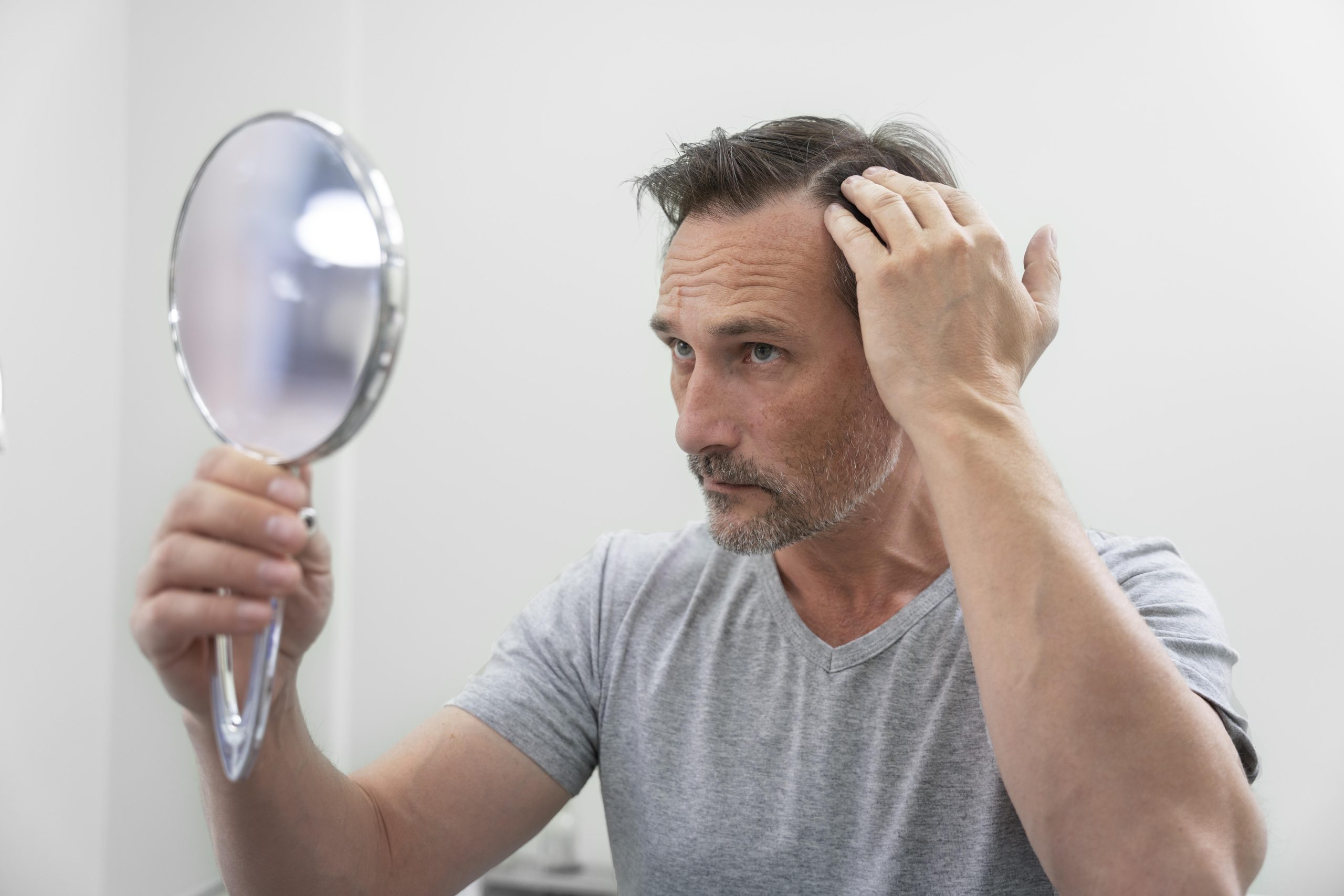
Here’s the thing — you don’t need to lose hope in your hair. I’ve spent decades researching human psychology and physical health, and male hair loss hits a man right in the middle of who he is. The good news is — knowledge is power, and we’re going to become masters at learning about and stopping hair loss. First, it helps to understand how much hair loss is normal.
What Causes Hair Loss in Men
Understanding Male Pattern Baldness and DHT
80% of all men will develop notable hair loss throughout their lives. That is not a statistic, that is the life of millions of men on a daily basis. The miracles of medicine available to us today provide us with more options than ever.
The most familiar to you is androgenetic alopecia — less delicately stated, if you are not a physician, it is merely called male pattern baldness. Consider this as your hair follicles getting the message in slow motion to close up shop, usually induced by a hormone called DHT (dihydrotestosterone). Consider this as an unwanted boss who will not leave your hair follicles alone, but tries to persuade them into early retirement.
One of the most comforting facts is — your balding might not be genetic. Occasionally, your stress response (telogen effluvium) or your overactive immune system pounding on your hair follicles (alopecia areata), will rob you of your hair. Finding out which one it is, brings you to the solution.
The Emotional Impact of Hair Loss
How Hair Loss Affects Men’s Confidence
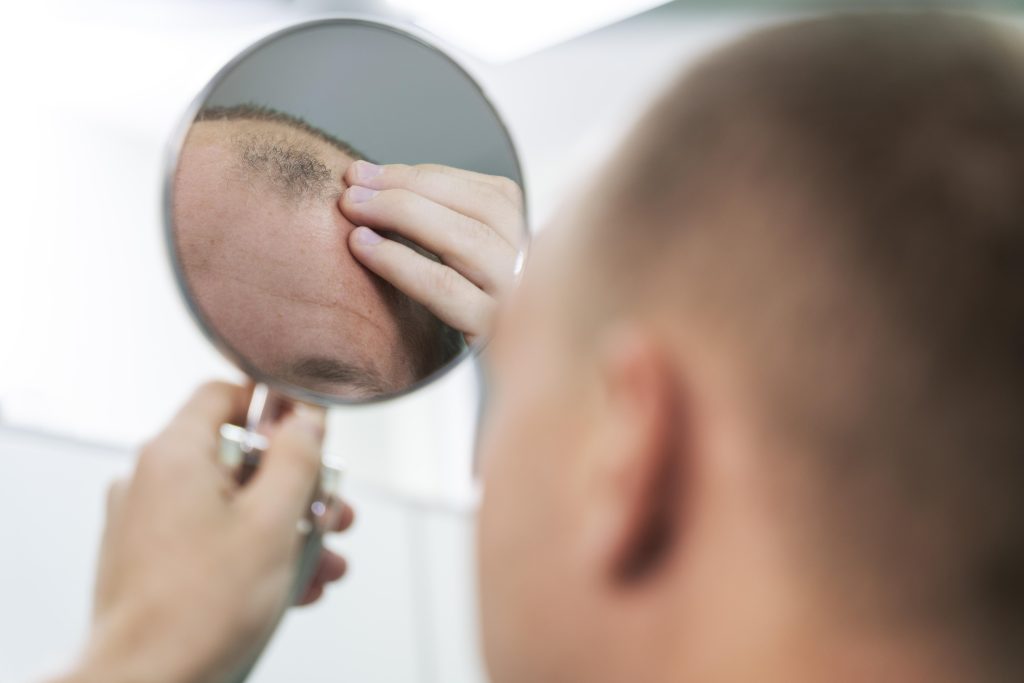
The truth is — the emotional impact of hair loss hits home. I have talked to numerous men who have shared with me how baldness had impacted their ego, social and personal life. Not until you finally realize that your ego is not based on your mane, then that is the time you wake up.
Studies show that 87.1% of people change their hairstyle due to hair loss, trying to hide what’s happening. You can choose a different path — understanding and taking action. Explore confidence-boosting styles for thinning hair to regain control of your appearance.
Science-Backed Hair Loss Treatments
FDA-Approved Medications and Therapies
There are solutions. Don’t get some wishy-washy, untested doom-and-gloom diagnosis. Science has realistic, reasonable solutions available. These methods reverse the process:
Medications That Work:
FDA-Approved medications shut down the production of DHT, commanding this micromanaging dictator to “back off.” Clinical studies demonstrate these drugs restore hair growth in about 85% of men. They actually revive hairs and blood circulation into your hair follicles and on your scalp.
Other newer medications include:
Combination therapies work synergistically to create more dramatic effects than the treatment itself. Learn about new hair loss treatments beyond finasteride for cutting-edge options.
Low-Level Laser Therapy — Using laser to stimulate your hair growth. It’s a brand new revolutionary treatment.
Lifestyle Changes That Prevent Hair Loss
The Hair Growth Triangle: Nutrition, Stress, Exercise
Notice this: Your daily activities make a massive impact.
Let us examine more closely what I call the “Hair Growth Triangle”:
Nutrition
Your hair must be fed in order to grow. Right amount of right vitamins and minerals help your hair and body become healthy. Biotin, iron, and omega-3 food should become your friends. Discover the essential nutrients for hair growth your follicles need.
Stress Management
Excessive stress risks damaging your hair. Good stress management maintains mind and hair in fine fettle. Your body shows physical symptoms when your mind is stressed.
Physical Activity
Physical exercise makes blood circulate around your head and body more effectively. Physical exercise also makes you release endorphins, anti-stress medicine — giving you a double benefit. Learn how sleep and exercise affect hair health for maximum impact.

Take Action on Hair Loss Today
Moving Forward With Confidence
It does matter — taking action on baldness shows that you care about health and well-being. It is proven, that taking action on baldness in an early stage, results in men’s confidence in themselves. It also improves social interaction.
Your Hair Loss Action Plan
Seek Professional Counseling
Consult a dermatologist. Go to a doctor who will determine the precise cause of your baldness and design a very specific treatment plan. If you’re noticing early signs, check out strategies for receding hairline intervention.
Start Early
The earlier you start with the treatment, the more options in front of you. Getting your retirement hair ready is no exception — the earlier, the better.
Be Regular
Whatever drug regimen you are undergoing, stick to it. It won’t take effect overnight, but in sticking to it, there is success.
Start Your Hair Recovery Journey
Keep in mind — millions are doing this along with you as well, and others receive what they require. Learn, act, and keep abreast with updates.
Your decisions from this point forward are most important. Make a decision today to rescue your hair health. The technology exists, the treatments do work, and you can transform. Do something today about it, whether that is booking an appointment for a consultation, getting informed on what your options are, or just doing better overall wellness habits.